
Unlock Your Vitality: A Guide to Active Longevity
Explore the science of movement, flexibility, and wellness beyond forty.
Educational content only. No promises of outcomes.
Why Active Living Matters
As we navigate the journey beyond forty, the foundation of vitality rests on three pillars: movement, flexibility, and bone health. This educational resource explores the physiological processes that support active longevity and provides evidence-based information to help you understand how lifestyle choices contribute to sustained well-being.
Enhanced Flexibility
Understanding how stretching and gentle movement preserve muscle elasticity and joint range of motion, essential for maintaining functional independence.
Improved Balance
Exploring the relationship between core strength, proprioception, and postural control to understand how movement practices support stability and confidence.
Sustained Energy
Learning how consistent physical activity, proper nutrition, and adequate rest work together to support endurance and vitality throughout daily life.
Understanding Bone Health
Bone health is a fascinating intersection of physiology, nutrition, and movement. Bones are living tissues that continuously remodel themselves in response to physical stress and nutritional inputs. Understanding factors that influence bone density—such as mechanical loading through weight-bearing activities, mineral intake (calcium, magnesium, phosphorus), hormonal balance, and lifestyle habits—helps us appreciate how everyday choices affect our skeletal integrity.
Age-related changes in bone density are a natural physiological process. Rather than viewing this as inevitable decline, we can explore how staying active with appropriate movement, maintaining adequate nutrition, and managing stress contribute to bone resilience and overall functional capacity.
The Role of Nutrition in Wellness
Nutrition forms the biochemical foundation for every cellular process in our bodies. Certain nutrients play critical roles in supporting mobility, bone strength, and overall vitality. Below are three fundamental food groups that contribute essential building blocks for a healthy, active life.
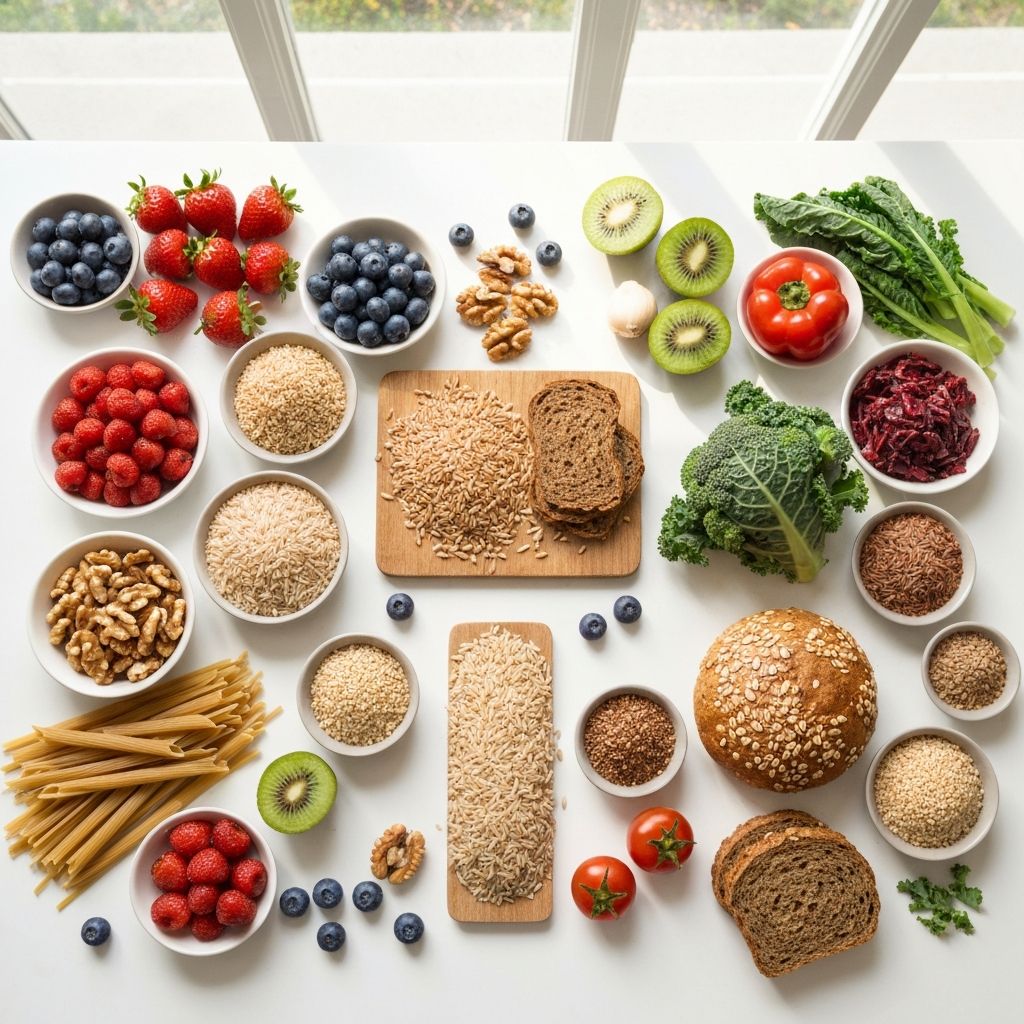
Vegetables & Fruits - Rich in vitamins, minerals, and phytonutrients that support bone formation, muscle function, and overall cellular health. Dark leafy greens provide calcium; colorful produce offers antioxidants.
Whole Grains - Sources of magnesium, phosphorus, and B vitamins essential for energy metabolism, bone health, and nervous system function. Complex carbohydrates provide sustained energy for activity.
Protein & Legumes - Amino acids form the structural basis of muscle tissue and collagen. Plant and animal proteins support muscle maintenance and recovery, critical for active longevity.
Morning Stretching Essentials
A consistent stretching routine helps maintain flexibility, prepare muscles for activity, and enhance body awareness. Below is an overview of accessible stretching practices suitable for various fitness levels.
Gentle circles with the neck and shoulders release tension accumulated during sleep or daily activities. Perform slow, controlled rotations in both directions for 30 seconds each. This improves circulation and mobility in the upper spine.
Standing or seated, gently twist your torso side to side, allowing your arms to follow the movement. This activates the core, improves spinal mobility, and aids digestive function. Hold each side for 15-20 seconds.
Standing, gently fold forward at the hips, allowing your upper body to relax. Let gravity assist the stretch without forcing. Hold for 20-30 seconds. This lengthens the hamstrings and back of the spine.
Step forward and lower your hips gently, creating a stretch through the hip flexors and quadriceps. Alternate legs, holding each side for 20-30 seconds. This prepares the lower body for movement.
Face a wall, place one foot forward and keep the rear heel grounded. Gently lean toward the wall to feel a stretch down the calf. Hold for 20-30 seconds per leg. Important for ankle mobility and walking comfort.
Hydration and Well-being
Water is the most vital nutrient for human function, yet its importance is often overlooked. Approximately 60% of body weight is water, and every physiological process depends on adequate hydration. Water serves critical roles: lubricating joints, transporting nutrients, regulating body temperature, supporting cognitive function, and maintaining energy levels.
For individuals pursuing active longevity, proper hydration becomes even more significant. Dehydration can impair physical performance, reduce flexibility, and compromise recovery. A practical guideline is to drink consistently throughout the day, adjusting intake based on activity level and climate. Most people benefit from 6-8 glasses of water daily, though individual needs vary.
Mindful Living Practices
Active longevity extends beyond physical movement. Mental and emotional well-being profoundly influence our capacity to maintain an active lifestyle. Stress, anxiety, and poor sleep quality can compromise physical recovery, impair immune function, and reduce motivation for healthy habits.
Stress Reduction Techniques
- Deep Breathing: Practiced regularly, conscious breathing activates the parasympathetic nervous system, promoting calm and reducing physiological stress markers.
- Meditation & Mindfulness: Even 5-10 minutes daily can improve focus, emotional regulation, and awareness of bodily sensations.
- Time in Nature: Exposure to natural environments reduces cortisol levels and promotes mental clarity and restoration.
- Creative Expression: Engaging in hobbies, art, music, or writing provides meaningful stress outlet and purpose.
Sleep & Recovery
- Consistent Sleep Schedule: Maintaining regular sleep and wake times supports circadian rhythm and sleep quality.
- Sleep Environment: A cool, dark, quiet bedroom optimizes the conditions for restorative sleep.
- Pre-Sleep Routine: Limiting screen time and engaging in calming activities before bed promotes better sleep onset.
- Active Recovery: Light movement, gentle stretching, or rest days between intense activities support muscle repair and psychological recovery.
Common Myths Debunked
Myth: Bone density only matters for the elderly
Bone is a dynamic living tissue that constantly remodels. While bone density naturally decreases with age, the foundation for bone health is established through earlier lifestyle habits. Movement, nutrition, and stress management benefit bone health at any age, and maintaining these practices throughout life supports skeletal resilience in later years.
Myth: Flexibility requires intense stretching or yoga
Flexibility improves through consistent, gentle movement practiced regularly. Activities as simple as walking, gardening, or light stretching provide significant benefits. Intense stretching can sometimes cause injury. Gradual, sustained practices are more effective and sustainable than aggressive approaches.
Myth: Movement should only be vigorous exercise
The body benefits from varied intensities of movement. Light activities like leisurely walks, swimming, and gardening contribute meaningfully to health. Consistency and enjoyment are more important than intensity. Many people sustain activity longer when it feels accessible and pleasurable rather than strenuous.
Myth: Calcium is the only nutrient for bone health
Bone health depends on a complex interplay of nutrients. Vitamin D enables calcium absorption; magnesium and phosphorus support bone structure; protein provides collagen; and other vitamins and minerals play supporting roles. A balanced, whole-foods diet provides these nutrients far more effectively than isolated supplements.
Myth: You cannot improve flexibility after forty
The body retains remarkable capacity for adaptation throughout life. Regular stretching and movement practices demonstrably improve flexibility in people of all ages. While flexibility may require more consistent practice over time, improvement is absolutely achievable and worthwhile.
Progressive Movement Ideas
Incorporating varied activities into your weekly routine creates a balanced approach to active longevity. Below are accessible movement options suitable for different preferences and capacities.
-
🚶Walking Groups or Solo: Walking is among the most accessible forms of physical activity, suitable for most people. Regular walking improves cardiovascular health, supports bone density, and enhances mood.
-
🌱Gardening: Working in a garden engages multiple muscle groups, provides weight-bearing activity, and offers psychological benefits through connection with nature and visible growth.
-
🏊Swimming or Water Aerobics: Water-based activities provide excellent cardiovascular and muscular engagement with minimal joint stress, making them ideal for people seeking low-impact options.
-
💃Dancing: Dancing combines movement, music, social connection, and joy. It improves coordination, balance, and cardiovascular fitness while being genuinely enjoyable.
-
🧘Gentle Yoga or Tai Chi: These practices emphasize controlled movement, flexibility, and body awareness, promoting both physical health and mental calm.
-
🏃Light Strength Training: Resistance exercises maintain muscle mass and bone density. Even body-weight exercises or light weights, performed consistently, yield significant benefits.
Frequently Asked Questions
General guidelines suggest 150 minutes of moderate-intensity aerobic activity weekly, combined with strength-training exercises twice weekly. However, any movement is beneficial. Even 30 minutes of daily walking provides measurable health benefits. The most important factor is consistency and choosing activities you enjoy.
While genetics influence baseline bone density and flexibility potential, lifestyle factors—movement, nutrition, sleep, and stress management—profoundly affect how these genetic potentials are expressed. Even if genetics predispose certain tendencies, healthy habits substantially improve outcomes.
Yes. Flexibility is a trainable quality at any age. Consistent stretching, gentle movement, and regular activity preserve and improve range of motion. While improvement might occur more gradually in older individuals, the body's adaptability remains remarkable throughout life.
Starting a new routine at any age is possible. Begin gradually, allow your body to adapt, and listen to signals of discomfort or pain. If you have pre-existing health conditions, consulting with a qualified healthcare professional before starting a new routine is wise, ensuring personalized guidance appropriate for your circumstances.
Choose activities you genuinely enjoy. Exercise with friends or groups for social motivation. Set realistic, achievable goals. Track your progress. Recognize that movement should feel energizing, not punitive. Building sustainable habits requires making activity accessible and pleasurable rather than something to endure.
Sleep is when the body performs critical repair and restoration. During sleep, muscles repair, hormones regulate, memories consolidate, and immune function strengthens. Adequate sleep directly enhances physical recovery and performance. Most adults require 7-9 hours nightly for optimal function.