
The Power of Hydration: Water's Role in Active Longevity
Published: February 2026
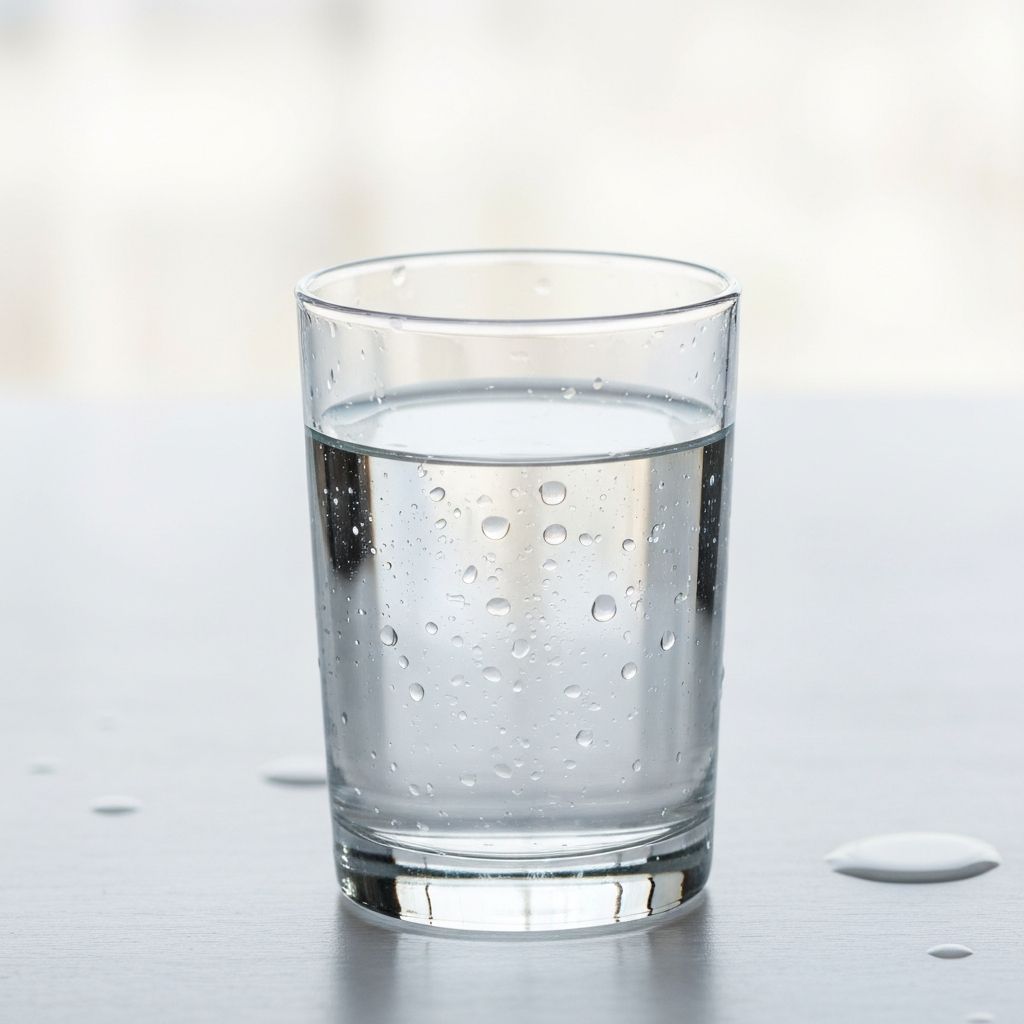
The Fundamental Importance of Water
Water is the most essential nutrient for human survival and function. Approximately 60% of adult body weight is water—it is the medium in which every physiological process occurs. Yet despite its fundamental importance, hydration is often overlooked, and dehydration is surprisingly common. Understanding water's critical roles helps explain why consistent hydration is foundational for maintaining vitality and active capacity.
Water's Essential Functions
Joint Lubrication and Cushioning
Synovial fluid, which lubricates and cushions joints, is primarily water. Adequate hydration ensures this fluid is plentiful, allowing smooth, comfortable joint movement. Dehydration reduces synovial fluid production, increasing joint stiffness and discomfort. For people pursuing active longevity, maintaining joint health through adequate hydration is foundational.
Nutrient Transport
Water is the transport medium for nutrients throughout the body. Vitamins, minerals, amino acids, and glucose travel in blood plasma (which is over 90% water) to reach tissues where they are needed. Dehydration slows nutrient delivery, impairing muscle function, energy production, and tissue repair. For active individuals, this transport function becomes increasingly important as muscles demand sustained nutrient supply during and after activity.
Temperature Regulation
Water's high heat capacity allows the body to absorb and distribute heat effectively. During activity, muscles generate heat, which is dissipated through sweat (water evaporating from skin). This elegant cooling system depends on adequate body water. Dehydration impairs temperature regulation, increasing core body temperature and exercise-associated risk.
Organ Function Support
Every organ system depends on water. The kidneys require adequate water to filter and eliminate metabolic waste. The digestive system requires water for nutrient absorption and waste movement. The cardiovascular system requires adequate blood volume (which is primarily water) to maintain circulation. The nervous system requires water for neurotransmitter function and signal transmission. Dehydration compromises all these systems.
Energy and Performance
Even mild dehydration (1-2% body water loss) impairs physical and cognitive performance. Strength decreases, endurance diminishes, reaction time slows, and mental focus declines. For people pursuing active longevity, maintaining hydration ensures optimal physical capacity and cognitive function for daily activities and exercise.
Hydration and Age-Related Changes
Thirst perception tends to decrease with age, meaning older adults may not consciously recognize dehydration until it has progressed. Additionally, kidney function changes with age, affecting water conservation. These changes make older adults more vulnerable to dehydration. Intentional hydration habits—drinking water consistently throughout the day rather than waiting until thirsty—becomes increasingly important with age.
How Much Water Is Enough?
A common guideline is 6-8 glasses (approximately 1.5-2 liters) of water daily, though individual needs vary based on activity level, climate, body size, and other factors. A practical approach is to monitor urine color—pale urine generally indicates adequate hydration, while dark urine suggests dehydration. During and after physical activity, additional water replacement is important.
Beyond plain water, many beverages and water-rich foods contribute to hydration. Fruits and vegetables (watermelon, cucumber, lettuce, oranges) are primarily water and provide both hydration and nutrient density. Herbal teas, broths, and other beverages contribute to daily fluid intake. The key is consistency across the day rather than consuming large volumes at once.
Timing and Activity-Related Hydration
Before activity, drinking 400-600 ml (14-20 ounces) of water 2-3 hours beforehand allows hydration without excessive fullness during movement. During prolonged activity (over 60 minutes), small amounts of fluid (150-250 ml every 15-20 minutes) maintain hydration without gastric distress. After activity, consuming fluid replacement (approximately 1.5 liters for every kilogram of body weight lost during activity) over several hours supports recovery.
Hydration and Recovery
Sleep quality and recovery processes depend on adequate hydration. Dehydration during sleep can cause night-time cramping and disrupt sleep quality. Maintaining hydration throughout the day and the evening (while avoiding excessive fluid intake immediately before bed) supports both wake-time function and sleep quality.
Environmental Factors Affecting Hydration Needs
Hot and humid climates increase sweat losses and hydration requirements. At higher altitudes, the combination of lower oxygen availability and increased respiration elevates fluid losses. Winter environments can impair thirst sensation even while dehydration risk increases. Recognizing these environmental factors helps ensure adequate hydration in varying conditions.
Water and Cognitive Function
The brain is approximately 75% water, and even modest dehydration impairs cognitive function, affecting concentration, memory, mood, and decision-making. For people engaged in cognitive work or complex activities, maintaining hydration supports mental clarity and function alongside physical benefits.
Practical Hydration Strategies
Building consistent hydration habits is more effective than occasional intensive hydration attempts. Strategies include drinking water with meals, keeping water accessible throughout the day, establishing hydration reminders, and incorporating hydrating foods into your diet. Making hydration a routine—as automatic as checking email or brushing teeth—removes the need to constantly make hydration decisions.
Conclusion
Water's role in sustaining every physiological process makes hydration foundational for active longevity. While often overlooked, consistent hydration directly supports joint health, physical performance, cognitive function, and overall well-being. Establishing reliable hydration habits—drinking water consistently throughout the day and adjusting for activity level and environmental factors—is among the simplest and most impactful investments in sustained vitality.