
Bone Health Fundamentals: A Nutritional Perspective
Published: February 2026
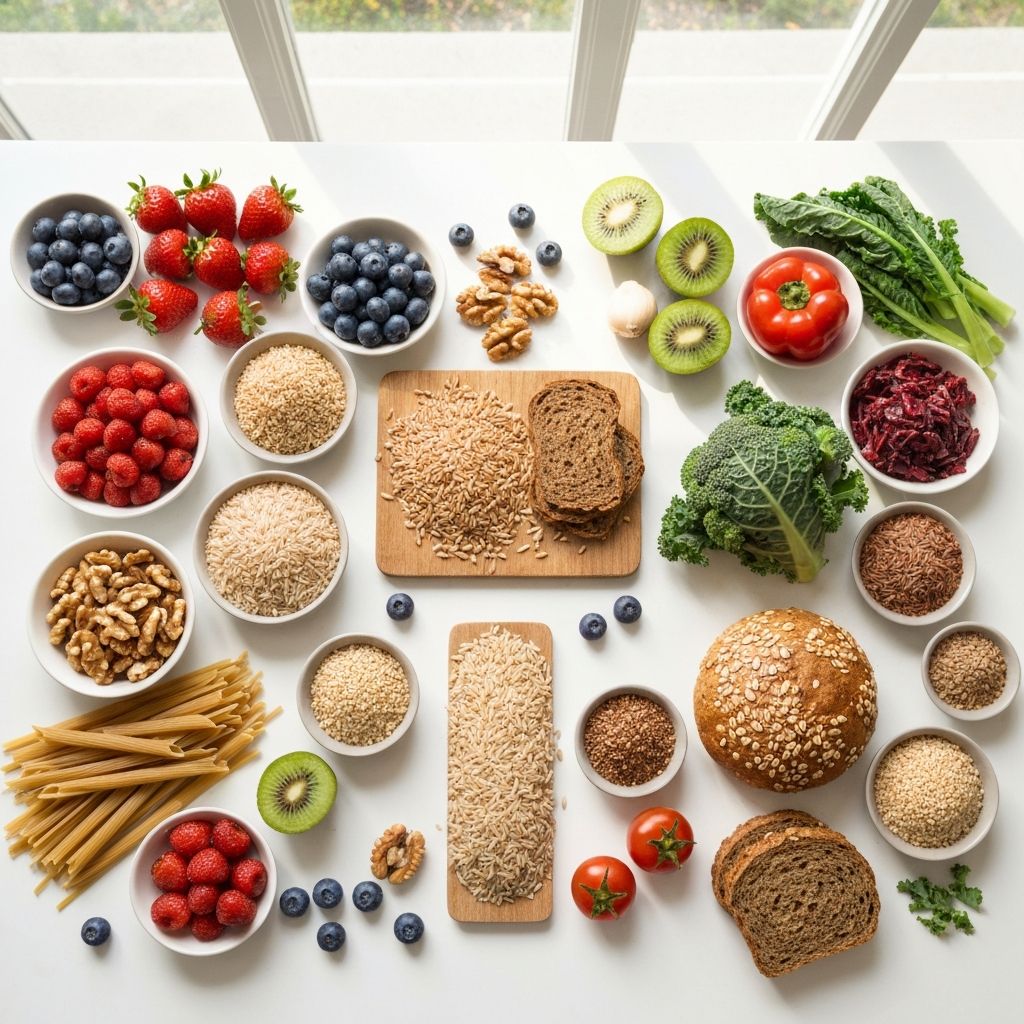
The Living Tissue of Bone
Bone is often imagined as inert, static material. In reality, bone is living tissue that continuously remodels itself throughout life in response to mechanical stress and nutritional inputs. Understanding this dynamic process helps us appreciate how nutrition directly supports skeletal health and integrity across decades of life.
Essential Nutrients for Bone Health
Calcium: The Structural Foundation
Calcium is the primary mineral comprising bone structure, along with phosphorus. Approximately 99% of the body's calcium is stored in bones and teeth. The remaining 1% circulates in the bloodstream, where it plays critical roles in muscle contraction, nerve transmission, and blood clotting. When dietary calcium is insufficient, the body mobilizes calcium from bone to maintain blood levels, potentially compromising bone strength over time.
Dietary sources of calcium include leafy green vegetables (kale, collard greens, broccoli), dairy products, fortified plant-based drinks, and foods like tofu and canned fish with bones. Whole-food sources provide not only calcium but complementary nutrients that support absorption and utilization.
Vitamin D: The Absorption Enabler
Vitamin D is essential for calcium absorption in the intestines. Without adequate vitamin D, even substantial dietary calcium may not be efficiently absorbed. Vitamin D also supports bone mineralization—the process by which minerals are deposited into bone matrix.
The body produces vitamin D when skin is exposed to sunlight, but production decreases with age, limited sun exposure, and higher latitudes. Dietary sources include fatty fish (salmon, mackerel), egg yolks, and fortified foods. Many people benefit from vitamin D-rich foods or sensible sun exposure, as dietary sources alone may not provide optimal levels.
Magnesium: The Often-Overlooked Partner
Magnesium comprises approximately 1% of bone mass and is essential for bone mineralization. It also supports hundreds of enzymatic reactions in the body. Magnesium deficiency is surprisingly common, despite its abundant presence in foods like nuts, seeds, leafy greens, legumes, and whole grains.
The refining of foods (removing the germ and bran from grains, for instance) significantly reduces magnesium content. Returning to less-refined, whole-food sources of carbohydrates naturally increases magnesium intake.
Phosphorus: The Complementary Mineral
Phosphorus works with calcium to form the crystalline mineral structure of bone. It is abundant in many foods—seeds, nuts, fish, poultry, and legumes—and deficiency is rare in developed countries. The focus is on maintaining appropriate calcium-to-phosphorus ratios; excessive phosphorus relative to calcium may impact calcium absorption.
Other Essential Nutrients
Vitamin K plays a role in bone mineralization and is found in leafy green vegetables. Protein provides the collagen matrix upon which minerals deposit; adequate protein intake supports bone quality. Vitamin C, found in citrus fruits and vegetables, is essential for collagen synthesis. B vitamins support energy metabolism necessary for bone remodeling.
Lifestyle Factors Influencing Bone Health
Weight-Bearing Activity
Mechanical loading—the stress placed on bone during weight-bearing activities—stimulates bone-forming cells. Walking, gardening, dancing, and resistance training all provide this mechanical stimulus. Conversely, sedentary lifestyles lead to decreased bone density, as bone adapts to reduced demands by becoming less dense.
Hormonal Influences
Hormones significantly influence bone health. Estrogen, which declines during menopause, plays an important role in bone maintenance. This is one reason bone density changes can accelerate around menopause. Adequate nutrition and physical activity support hormonal health indirectly and are foundational for bone strength across life stages.
Sleep and Recovery
During sleep, the body performs repair and remodeling processes. Chronic sleep deprivation impairs bone remodeling and healing. Similarly, chronic stress elevates cortisol, which can negatively affect bone health. Adequate sleep and stress management support bone health as part of broader physiological functioning.
Understanding Bone Density Changes with Age
Bone density naturally changes across the lifespan. Bone density typically increases until the late twenties or early thirties, then gradually decreases with age. The rate of decline varies based on genetics, lifestyle factors, hormonal status, and nutrition. While age-related bone loss is inevitable, the degree of loss depends substantially on modifiable factors like physical activity and nutrition.
Whole Foods versus Supplements
Whole foods provide minerals alongside fiber, phytonutrients, and other compounds that support absorption and overall health. For instance, the vitamin C in an orange supports calcium absorption, while the fiber benefits digestive health. This nutritional synergy is difficult to replicate in supplements alone.
Food-based nutrition also involves behavioral benefits: preparing meals with whole foods, eating diverse foods across the spectrum of colors and types, and sharing meals with others all contribute to overall well-being beyond the individual nutrients provided.
Practical Application
Supporting bone health through nutrition means choosing diverse, minimally processed whole foods: vegetables in a rainbow of colors, fruits, whole grains, legumes, nuts, seeds, fish, poultry, and eggs according to your dietary preferences. Such a diet naturally provides the variety of minerals, vitamins, and other compounds supporting bone health.
Combined with regular weight-bearing activity, adequate sleep, stress management, and hydration, nutritional focus on whole foods creates an environment where bone tissue can remain resilient and strong throughout life.
Conclusion
Bone health is fundamentally a product of the lifestyle environment we create—the food we consume, the activities we perform, the sleep we obtain, and the stress we manage. While bone density naturally changes with age, understanding the nutritional and lifestyle factors supporting bone health empowers informed choices about how we age and the skeletal resilience we maintain.